About
5/28/2022
The Transatlantic Slave Trade was the kidnapping and forced migration of many Africans across the Atlantic Ocean and into the New World. While enslavers would attempt to erase the identity of many to enforce slavery, African Americans continued to hold onto previous traditions as well as create new ones to resist enslavement. This resistance encouraged many Black people during antebellum America to believe that they were more than what white society wanted them to be. By answering the question, “Why would enslavers be against African Americans engaging in cultural practices?” then can we start to understand how important these traditions were to Black people and why the nation became divided outside of economic reasons.
-------------------------------------------------------------------------------------------------------------Sources

Free Listen
Source info: Olaudah Equiano Autobiography Chapter 1
Creator: Olaudah Equiano
Date: Published 1789
Place: Middle passage from Africa
Type: Book
Equiano begins his autobiography by talking about Essaka's culture from the importance of dance and music to traditional meals. He also explains how houses were built and the inclusion of spirits for protection. Diving into the lifestyle he once knew before starting his journey of survival shows the difference between life before and during American Slavery. “Those prisoners which were not sold or redeemed we kept as slaves: but how different was their condition from that of the slaves in the West Indies! With us they do no more work than other members of the community, even their masters; their food, clothing and lodging were nearly the same as theirs, except that they were not permitted to eat with those who were free-born” (Equiano, pp. 26-27)
Having the voice of an African who was taken from everything he once knew and forced into slavery miles away from home shows us an unfiltered insight of what it was like for many others.
-------------------------------------------------------------------------------------------------------------
Free Read
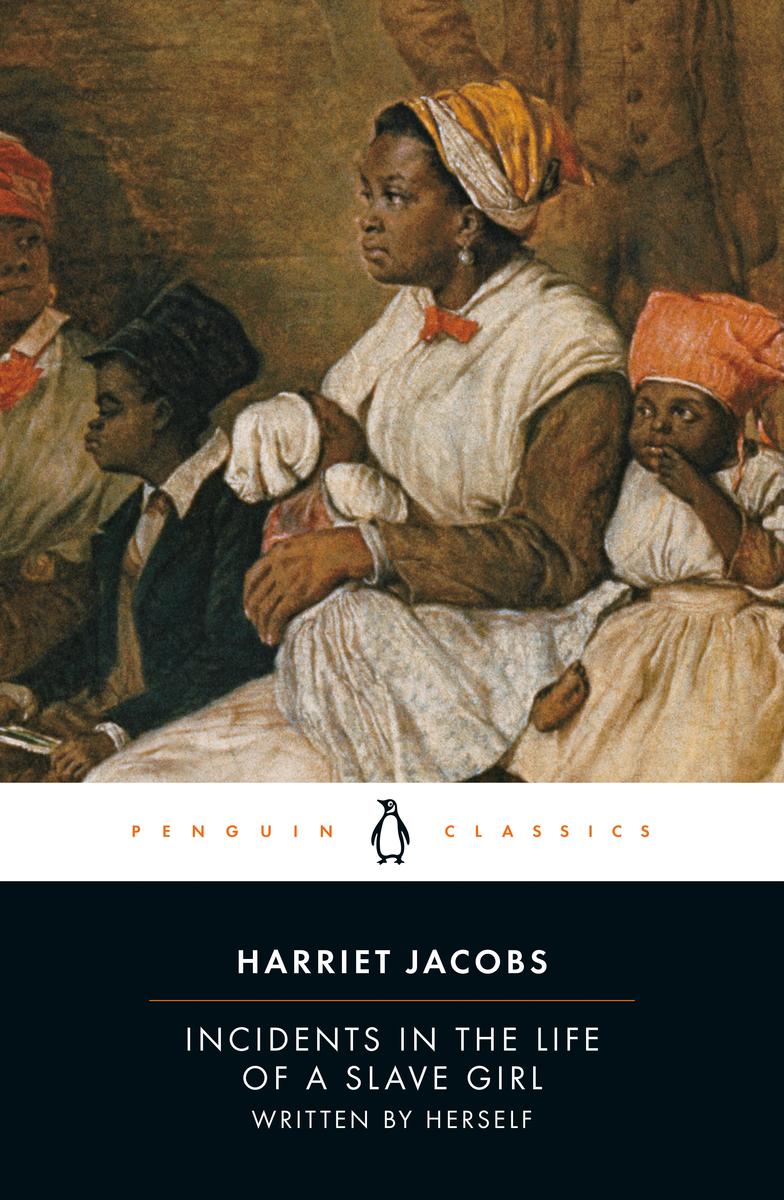
Source info: Life of a Slave Girl
Creator: Harriet A. Jacobs
Date: 1861
Place: North Carolina & New York
Type: Book
An autobiography written by an African American woman to wake people up about the true harshness of slavery. She revels what it’s like for a Black woman having to decide what’s best for her and her children in a world that is constantly trying to remove their humanity. Quotes like, “What cared my owners for that? he was merely a piece of property. Moreover, they thought he had spoiled his children, by teaching them to feel that they were human beings” (Jacobs, pp. 18) expands this idea of society disagreeing with enslaved people understanding that they are human. This autobiography gives enslaved women a voice against slavery.
-------------------------------------------------------------------------------------------------------------

Free Read
Source info: : Interview with Wallace Quarterman
Creator: Speaker, W. Quarterman. Recorded by Z. Hurston, A. Lomax, & M. Barnicle
Date: 1935 recorded
Place: St. Simons Island, Georgia
Type: Audio/PDF
Wallace Quarterman recounts the moment the Union came to inform the enslaved of emancipation and everything that came with the ability to leave. From his enslaver offering $40 a month for them to stay working the plantation to the Union not providing much to any relief besides letting African Americans know that they were free. This interview shows how freedom didn’t mean you were truly free.
-------------------------------------------------------------------------------------------------------------

V. Turner Reflections
4/4/2026
How did working with primary sources shape your understanding of enslaved people's humanity?
Reading and listening to slave narratives helped me to understand how identity starts at the parents before it makes it to society. As I read Blassingame I learned how parents would not only rename their children but also spoke words of encouragement into them. Usually by ages 6-8 years old many African American children would realize their status in society after being innocent and mentally free. Their identity and confidence as they grew up to one day leave/beat this system could always be tracked back to their parents or other parental figures. Enslaved people’s humanity was shaped by their parents who were shaped by generations before all with the mindset of hope for better days ahead.
What responsibilites do historians have when interpreting the voices of enslaved and marginalized people?
Historians are responsible for not just reading but also questioning “why?” marginalized voices are speaking out. Like doctors, historians must sit and pay attention to enslaved people’s narratives and listen to crucial details like locations, jobs, families, painful events, and time periods. This way they can get a closer understanding of why someone would have a reason to speak out in the first place. Also making sure not to fully shut down arguments you personally struggle to fully believe. Just because you can’t fathom their truth doesn’t mean it isn’t true. Sometimes the unbelievable has been lived and documented for us who didn’t exist to witness it.
How does this history matter today?
This history still matters today in multiple ways. African Americans still use music to connect with their community whether that be a joyful trail ride to singalong and dance to, or a deep rap that exposes the raw feelings of losing family to systemic gun violence. Understanding how music has always played a role in Black American culture is important for understanding. Also, the conversation about stereotypical “Black” names shows itself as a form of resistance to white society with roots back to slavery. Lisa Cook in, The Antebellum Roots of Distinctively Black Names (2021), writes about how these naming patterns were a way to solidify Black identity during a time that continuously tried to erase it (Cook et al., 2021). With social media constantly finding way to water down black culture, knowing the roots and where it all started will keep African American culture alive.